
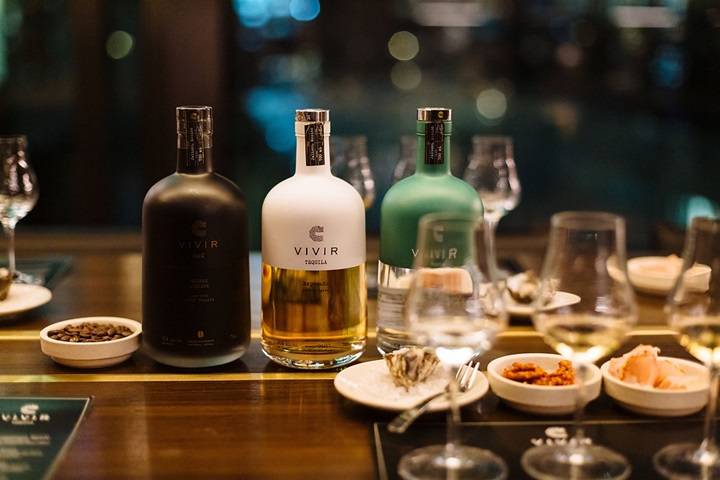

Cancún, the stunning beach destination on Mexico’s Yucatán Peninsula, is renowned for its breathtaking coastline, vibrant nightlife, and rich cultural heritage. Among the many cultural delights waiting to be explored is the world of tequila. While tequila is a household name, there’s much more to this spirit than meets the eye, and Cancún offers an ideal setting to dive into the art of tequila tasting. In this comprehensive guide, we’ll take you on a journey through Cancún’s tequila culture, exploring its history, the varieties of tequila, the art of tasting, and where to experience this cherished Mexican tradition.
The Spirit of Mexico: A Brief History of Tequila

Tequila is more than just a drink; it’s an integral part of Mexico’s heritage and culture. This beloved spirit has a rich history dating back centuries. Here’s a brief overview of how tequila came to be:
Indigenous Origins
The roots of tequila can be traced to pre-Columbian times when indigenous people fermented agave sap to create a crude alcoholic beverage. The agave plant, specifically the blue agave, played a central role in their traditions and rituals.
Spanish Influence
When the Spanish conquistadors arrived in the Americas in the 16th century, they introduced distillation techniques to the indigenous people. This led to the refinement of the agave-based drink and the birth of what we now know as tequila.
Tequila’s Name and Origin
The name “tequila” is derived from the Nahuatl word “tequillan,” which means “the place of work.” Tequila, as we know it today, is primarily produced in the state of Jalisco, Mexico, and its surrounding regions, including parts of Guanajuato, Michoacán, Nayarit, and Tamaulipas.
Denomination of Origin
In 1974, the Mexican government established the Denomination of Origin for Tequila, recognizing it as a protected designation, similar to wine regions like Champagne in France. This designation ensures that only tequila produced in specific regions and meeting strict standards can be labeled as such.
Types of Tequila

Tequila comes in several varieties, each with its unique characteristics and production methods. Understanding the different types of tequila is crucial for a comprehensive tequila tasting experience. The main categories of tequila are as follows:
Blanco (Silver) Tequila
Blanco tequila, often referred to as “silver” or “white” tequila, is clear and typically unaged or aged for a brief period (usually less than two months). It’s known for its crisp, clean flavor, and it offers the purest expression of the agave plant’s characteristics.
Reposado Tequila
Reposado means “rested” in Spanish, and this type of tequila is aged in wooden barrels for a minimum of two months and up to a year. The aging process imparts a slight color to the spirit and adds complexity and depth to its flavor profile.
Añejo Tequila
Añejo tequila is aged for at least one year in oak barrels, resulting in a richer, darker spirit. This aging process contributes to a smoother and more nuanced flavor, often with notes of vanilla and caramel. Añejo tequila is typically savored like a fine sipping whiskey.
Extra Añejo Tequila
Extra Añejo tequila is a relatively recent category, introduced in 2006, and it represents the pinnacle of tequila aging. This type is aged for a minimum of three years in oak barrels, resulting in a deep amber color and incredibly complex flavors. Extra Añejo tequila is a true connoisseur’s choice.
Joven (Gold) Tequila
Joven tequila, often labeled as “gold,” is typically a blend of blanco and añejo tequilas. It may also include additives like caramel coloring or flavorings to enhance its appearance and taste. While some high-quality joven tequilas exist, it’s essential to choose carefully in this category.
The Art of Tequila Tasting
Tasting tequila is an art that engages all your senses. To fully appreciate this revered spirit, follow these steps for a rewarding tequila tasting experience:
Visual Examination
Pour a small amount of tequila into a clear glass and observe its appearance. Note the color, clarity, and consistency of the liquid. Blanco tequilas should be clear, while reposado and añejo tequilas will have varying shades of amber.
Aromatic Assessment
Gently swirl the tequila in your glass to release its aromas, then bring it to your nose. Inhale deeply and take note of the scents that emerge. Tequila aromas may include floral, fruity, herbal, and earthy notes, depending on the type and production process.
Taste and Texture
Take a small sip of tequila and let it coat your palate. Pay attention to the flavors, texture, and mouthfeel. Blanco tequilas are often crisp and vibrant, while aged tequilas offer a smoother, more complex profile with notes of oak, caramel, and spices.
Finish
Observe the finish, which is the lingering taste and sensations after swallowing. A quality tequila will have a satisfying and prolonged finish, allowing you to savor its flavors.
Sip and Savor
To fully appreciate the nuances of tequila, take your time sipping and savoring each variety. Experiment with sipping it neat, sipping it with a palate cleanser like fresh fruit or bread, or using it as a base for cocktails to explore its versatility.
Where to Experience Tequila Tasting in Cancún
Cancún offers a plethora of opportunities to explore tequila tasting, whether you’re a novice or a seasoned tequila aficionado. Here are some of the best places to immerse yourself in the world of tequila in Cancún:
Tequila Museums
Visit one of Cancún’s tequila museums, such as the Tequila Herradura Sensory Museum or the Museo Sensorial del Tequila, where you can learn about the history and production of tequila through interactive exhibits and guided tours.
Tequila Tasting Tours
Participate in tequila tasting tours that take you to distilleries and tequila-producing regions in and around Cancún. These tours often include guided tastings and insights into the tequila-making process.
Beachfront Bars and Restaurants
Many beachfront bars and restaurants in Cancún offer extensive tequila menus. Enjoy tequila flights or sample different varieties while taking in the breathtaking views of the Caribbean Sea.
Tequila Tasting Events
Keep an eye out for special tequila tasting events and festivals held throughout the year in Cancún. These events often feature tastings, cocktail competitions, and live music.
Tequila Workshops
Enroll in tequila workshops or masterclasses conducted by knowledgeable experts who will guide you through the art of tequila tasting and mixology.
Hotel and Resort Bars
If you’re staying at a hotel or resort in Cancún, check if they offer tequila tasting experiences on-site. Many upscale properties have tequila bars with impressive selections.
Also Read: Sargassum in Playa del Carmen: Understanding the Phenomenon and Its Impact
Responsible Tequila Tasting Tips
While tequila tasting can be an enjoyable and educational experience, it’s essential to do so responsibly. Here are some tips to keep in mind:
- Know Your Limits: Tequila is a strong spirit, so it’s crucial to pace yourself and consume in moderation.
- Stay Hydrated: Drink water in between tastings to stay hydrated and cleanse your palate.
- Eat Before Tasting: Have a meal or snacks before your tequila tasting to help absorb the alcohol.
- Designate a Driver: If you’re visiting distilleries or participating in tastings outside of your accommodation, arrange for transportation or designate a sober driver.
- Respect Local Customs: Be mindful of local customs and traditions when tasting tequila in Mexico, such as using “sal” (salt) and “limón” (lime) with your tequila, if desired.
Cancún, with its stunning beaches and vibrant culture, provides an ideal backdrop for exploring the world of tequila. By understanding the history, types, and art of tequila tasting, you can embark on a flavorful journey that not only indulges your senses but also deepens your appreciation for this cherished Mexican spirit.
So, whether you’re sipping tequila on a beautiful beachfront terrace, embarking on a distillery tour, or attending a tequila festival, let Cancún’s tequila culture enhance your travel experience and transport you to the heart and soul of Mexico’s beloved elixir. Raise your glass and toast to the art of tequila tasting in Cancún, where each sip tells a story of tradition, craftsmanship, and the spirit of Mexico. Salud!
