


Flags have long been a powerful means of expressing identity, values, and aspirations. Among the multitude of flags that adorn the world, the tricolor combination of orange, white, and green stands out as a vibrant and visually striking composition. In this blog post, we will explore the history, symbolism, and diverse uses of flags featuring the orange, white, and green color scheme, shedding light on the stories and cultures they represent.
The Tricolor Palette: Orange, White and Green
The orange, white, and green flag is characterized by its vivid combination of colors, each contributing its own significance and symbolism to the flag’s overall message. Let’s delve into some of the most notable flags featuring this tricolor palette:
The Flag of India
The flag of India is perhaps the most recognized example of an orange, white, and green tricolor flag. It features three horizontal stripes: saffron orange at the top, white in the middle, and green at the bottom. In the center of the white stripe is a blue Ashoka Chakra, a 24-spoke wheel.
Historical Significance: The flag of India holds deep historical significance, as it played a pivotal role in the struggle for India’s independence from British colonial rule. It was officially adopted on July 22, 1947, just a few weeks before India gained its independence.
Cultural Significance: The tricolor flag symbolizes various aspects of India’s diverse heritage and values. The saffron color represents courage and sacrifice, the white signifies purity and truth, and the green represents growth and fertility. The Ashoka Chakra in the center represents the “Wheel of Law” and the dharma (duty/righteousness) that should guide the nation.
The Flag of Ireland
The flag of Ireland, also known as the Irish tricolor, features three vertical stripes: green on the hoist side, white in the middle, and orange on the fly side.
Historical Significance: The flag of Ireland has its roots in the 19th century and was used as a symbol of Irish nationalism during the struggle for independence from British rule. It was officially adopted as the national flag in 1922, following Ireland’s declaration of independence.
Cultural Significance: The Irish tricolor represents the shared values and aspirations of the people of Ireland. The green stripe symbolizes the Irish Catholic majority, the orange represents the Irish Protestant minority, and the white stripe symbolizes the desire for peace and unity between these communities.
The Flag of India (Pre-independence)
Before the adoption of the current Indian flag, a different tricolor flag was used during the fight for independence. It featured horizontal stripes of orange, white, and green, with a spinning wheel (charkha) in the center.
Historical Significance: This flag was designed by Mahatma Gandhi and was associated with the Indian National Congress, one of the leading organizations in the struggle for independence. It symbolized self-reliance, rural life, and the fight for economic and political independence.
Cultural Significance: The tricolor flag with the spinning wheel represented the idea of swadeshi (self-sufficiency) and the importance of promoting local industries and traditional craftsmanship.
Symbolism and Significance of Orange, White, and Green

The tricolor palette of orange, white, and green carries shared symbolism and significance across different flags:
Unity
The combination of three distinct colors often symbolizes unity and the coming together of diverse elements to form a cohesive whole.
Peace and Harmony
White, which is a common color in this tricolor scheme, often represents peace, neutrality, and unity. It can symbolize the desire for harmony and reconciliation.
National Identity
Flags featuring these colors often use them to reflect national identity, cultural values, and historical significance.
Aspirations
The colors can also signify a nation’s aspirations for growth, development, and progress. They may reflect the country’s goals and ideals for the future.
Creative Uses of Orange, White, and Green Flags
Flags featuring the orange, white, and green tricolor have found creative applications beyond their formal representation of nations:
Sports and International Events
These flags are often displayed at international sporting events to represent their respective countries. They unite athletes and spectators, fostering a sense of national pride and competition.
Festivals and Celebrations
Orange, white, and green flags play a significant role in national celebrations, festivals, and cultural events. They are displayed as decorations and symbols of national identity during these festivities.
Art and Design
Artists and designers use these flags and their color palettes as sources of inspiration. They incorporate these colors into various forms of creative expression, from paintings to fashion designs.
Political and Social Movements
In some cases, these flags have been adopted as symbols of political or social movements, representing the ideals and goals of these movements.
The Power of Flags in Modern Society
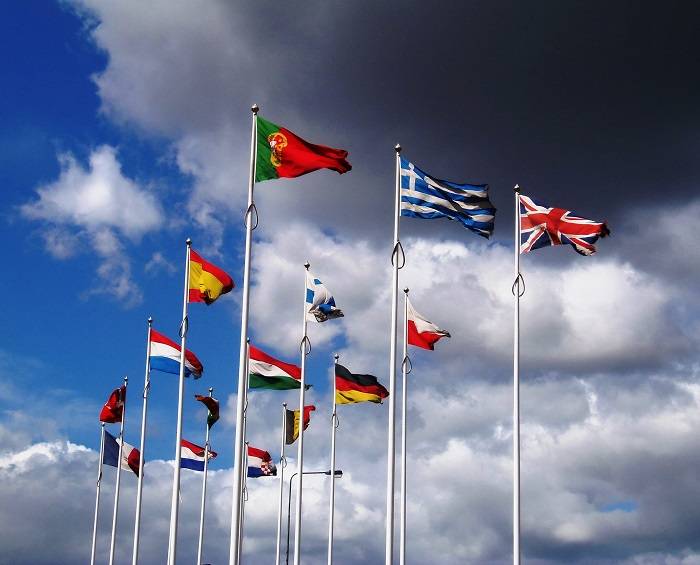
In an era of globalization, flags continue to serve as powerful symbols of identity, values, and aspirations. They have the ability to unite people, convey messages, and inspire action. Here are some ways in which flags remain relevant in modern society:
Identity and National Pride
Flags are a source of national pride and identity. They serve as a visual representation of a country’s history, culture, and values and are proudly displayed on public buildings, during national holidays, and at international events.
International Relations
Flags play a crucial role in international diplomacy and relations. They represent countries on the global stage and are used in diplomatic missions, embassies, and international organizations.
Symbols of Unity
Flags unite people under a common symbol. They are displayed during sporting events, cultural celebrations, and rallies, bringing individuals together to celebrate shared values and goals.
Related Posts:
- The Red, White, and Blue Flag with Stars: A Symbol of Patriotism and Identity
- The Top 10 Largest Black and White Birds You Should Know
- Top 10 Most Beautiful Fishes in the World You’ve Never Seen
Flags are often used in advocacy and awareness campaigns. They can symbolize causes such as human rights, environmental conservation, and social justice, helping to raise awareness and mobilize support.
The orange, white, and green tricolor flag is a vibrant and visually striking composition that carries deep historical and cultural significance for the countries it represents. Whether it’s the saffron, white, and green of India’s flag, symbolizing courage, purity, and growth, or the green, white, and orange of Ireland’s flag, representing unity and peace, these flags tell stories of nations and regions, carrying with them the hopes, dreams, and cultural heritage of those they represent.
In a world filled with flags of various designs and colors, the tricolor flag of orange, white, and green stands as a testament to the enduring power of symbols to inspire, commemorate, and unite. These flags invite us to explore the rich tapestry of history and culture that they represent and to appreciate the diversity of our world.
