


Flags are powerful symbols that convey a sense of identity, pride, and heritage. They represent nations, regions, and causes, and each flag tells a unique story. Among the many flags that grace our world, the blue flag with a yellow cross is a distinctive and captivating banner that has historical, cultural, and symbolic significance. In this blog post, we’ll delve into the history, symbolism, and various uses of the blue flag with a yellow cross, exploring the rich tapestry of meaning woven into its design.
A Glimpse into Flag Design

Before we dive into the blue flag with a yellow cross, it’s essential to understand some fundamentals of flag design:
Color Symbolism
Colors hold symbolic significance in flag design. Different colors can represent a wide range of meanings, from patriotism and bravery to peace and prosperity. The combination of colors in a flag can convey a unique message.
Geometric Shapes
Geometric shapes, such as crosses, stars, and stripes, are often used in flag design. These shapes can hold religious, historical, or cultural significance, and their arrangement and proportions contribute to the flag’s overall symbolism.
Historical Context
A flag’s design is often rooted in the historical context of the region or nation it represents. Understanding the historical background can provide insight into the flag’s symbolism and significance.
The Blue Flag with Yellow Cross: A Symbol of Identity
The blue flag with a yellow cross is a flag design that has been adopted by several regions and nations around the world. It is most commonly associated with countries in Northern Europe, each with its unique historical narrative and cultural significance.
The Nordic Cross
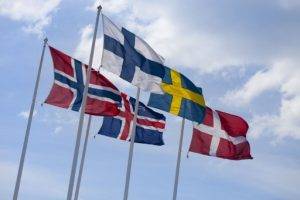
The blue flag with a yellow cross is often referred to as the Nordic Cross or Scandinavian Cross. This term encompasses the flags of several Northern European countries, including:
- Flag of Sweden: The blue flag with a yellow Scandinavian cross is the national flag of Sweden. Its history can be traced back to the 16th century and is closely associated with the nation’s royal heritage and the House of Vasa.
- Flag of Norway: Norway’s flag, often called the “Norsk flagg,” features a red background with a white and blue Nordic cross. This flag has historical ties to Norway’s struggle for independence and sovereignty.
- Flag of Finland: The Finnish flag, known as the “siniristilippu” or Blue Cross Flag, consists of a white field with a blue Nordic cross. It has been the national flag of Finland since its independence in 1917.
- Flag of Iceland: Iceland’s flag, called the “Hvítbláinn” or White-Blue, features a blue background with a white Nordic cross. It became the national flag when Iceland gained sovereignty from Denmark in 1918.
- Flag of Denmark: Denmark’s flag, known as the “Dannebrog,” is one of the oldest national flags still in use today. It consists of a red field with a white Nordic cross. Legend has it that the flag fell from the sky during a battle, signifying divine intervention.
Regional and Historical Variations
While the Nordic Cross is most commonly associated with the aforementioned countries, variations of this design can also be found in other regions:
- The Åland Islands, an autonomous region of Finland, has a blue flag with a red Nordic cross. The Åland Islands’ flag reflects its unique cultural and linguistic identity.
- The Faroe Islands, an autonomous territory within the Kingdom of Denmark, has a white flag with a red Nordic cross. This flag represents the Faroese people’s distinct cultural heritage.
- The Shetland Islands, part of Scotland, also features a blue flag with a white Nordic cross. This flag symbolizes the islands’ historical connections to Scandinavia.
Symbolism of the Blue and Yellow
To understand the symbolism of the blue flag with a yellow cross, we must explore the meanings associated with the colors blue and yellow:
Blue
- Sky and Sea: Blue is often associated with the sky and the sea, symbolizing vastness, openness, and freedom. It represents the natural world and the elements.
- Peace and Tranquility: Blue is a calming color that conveys a sense of peace, tranquility, and serenity. It is often used to evoke a feeling of harmony and balance.
- Strength and Stability: In some contexts, blue can also symbolize strength, stability, and reliability. It is associated with qualities like trustworthiness and dependability.
Yellow
- Sunlight and Energy: Yellow is associated with sunlight and energy. It represents warmth, vitality, and the life-giving properties of the sun.
- Happiness and Optimism: Yellow is often seen as a color of happiness, optimism, and positivity. It can evoke feelings of joy and enthusiasm.
- Intellect and Creativity: Yellow is linked to intellectual pursuits and creativity. It is associated with mental agility, curiosity, and innovation.
Historical Significance
The historical significance of the blue flag with a yellow cross varies depending on the country or region it represents:
Sweden
The flag of Sweden, with its blue background and yellow Nordic cross, has historical ties to the House of Vasa, a royal dynasty that played a prominent role in Swedish history. It is said that the flag was inspired by King Gustav I of Sweden, who allegedly saw a golden cross in a blue sky on the day of his victory at the Battle of Svolder in 1000 AD.
The blue and yellow colors of the Swedish flag have become synonymous with the nation’s identity and values, including democracy, peace, and openness.
Norway
Norway’s flag, featuring a red background with a white and blue Nordic cross, is closely tied to the country’s quest for independence. The flag’s design is believed to have been inspired by the Danish flag and was adopted as a symbol of Norway’s growing sense of national identity during the 19th century.
The red, white, and blue colors represent Norway’s history, culture, and values, including independence, freedom, and democracy.
Finland
Finland’s flag, with a white field and a blue Nordic cross, symbolizes the country’s natural beauty, with the white representing the snow-covered landscapes and the blue symbolizing the thousands of lakes found in Finland. The flag became the official national symbol when Finland gained independence from Russia in 1917.
The blue and white colors are deeply ingrained in Finnish culture, representing the Finnish spirit, resilience, and love for nature.
Iceland
Iceland’s flag, known for its blue background with a white Nordic cross, is a symbol of the nation’s geography and climate. Blue represents the Atlantic Ocean surrounding Iceland, while the white symbolizes the snow and ice found on the island.
The flag of Iceland reflects the country’s unique natural environment and its people’s strong connection to their homeland.
Denmark
Denmark’s flag, the Dannebrog, holds the distinction of being one of the world’s oldest national flags still in use. According to legend, the flag fell from the sky during a battle in the early 13th century, signifying divine intervention.
The red background and white Nordic cross have become symbols of Danish identity, history, and values, including democracy, freedom, and cultural heritage.
Uses and Meanings Beyond Scandinavia
While the blue flag with a yellow cross is most commonly associated with Scandinavian countries, its symbolism has extended beyond Northern Europe:
Maritime Flags
The blue and yellow colors of the Nordic Cross have been adopted by various maritime flags around the world. In nautical contexts, these colors often represent safety, navigation, and maritime traditions.
Municipal Flags
Several cities and municipalities worldwide have adopted flag designs inspired by the Nordic Cross, paying homage to Scandinavian heritage or highlighting their connection to the sea and maritime history.
Also Read: A Comprehensive Guide to All Villager Jobs in Minecraft
Sporting Events
The blue and yellow colors are frequently used to represent sports teams, clubs, and nations. These colors are associated with qualities like teamwork, sportsmanship, and competitive spirit.
The blue flag with a yellow cross, known as the Nordic Cross or Scandinavian Cross, is a captivating banner with a rich tapestry of history, culture, and symbolism. It represents the identity, heritage, and values of the nations and regions it symbolizes, including Sweden, Norway, Finland, Iceland, and Denmark. The blue and yellow colors evoke a sense of freedom, optimism, and strength, while the Nordic cross design reflects maritime traditions, history, and geographical landscapes.
Beyond Northern Europe, the blue and yellow colors have found resonance in maritime, municipal, and sporting contexts, connecting people and communities around the world. As we gaze upon the blue flag with a yellow cross, we are reminded of the power of symbols to convey stories, unite people, and evoke a sense of identity and belonging.
