
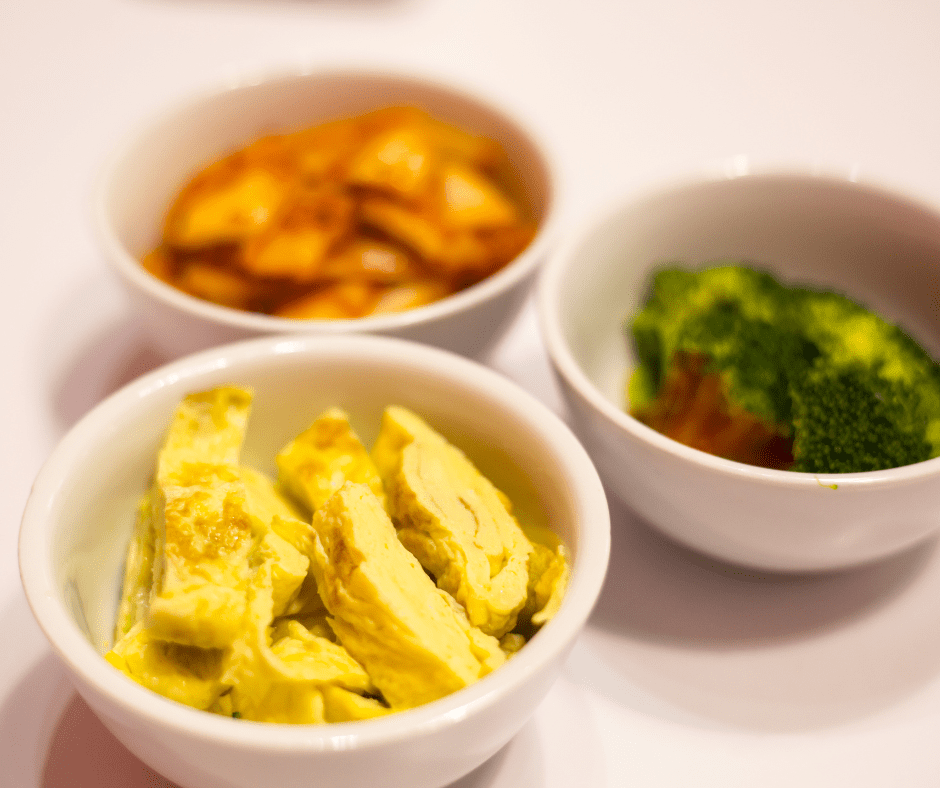

Korean school lunch is health & tasty, South Korea is known for its excellent education system and modern infrastructure. But did you know that school lunches are an equally important part of the equation? In this article, we’ll take a closer look at school lunches in South Korea and why they are so popular among Korean students.
School Lunch
South Korean schools serve nutritious lunches every day to ensure that their students have access to healthy food. The meals usually consist of protein (such as fish or meat), vegetable dishes, and soup or stew. Rice is also served with every meal, along with side dishes such as kimchi or pickled radish. The meals are cooked fresh daily by the school’s kitchen staff, who use local ingredients whenever possible. In addition to providing nutritious meals, the school lunch program also teaches children about nutrition and healthy eating habits.
Some popular South Korean school lunch

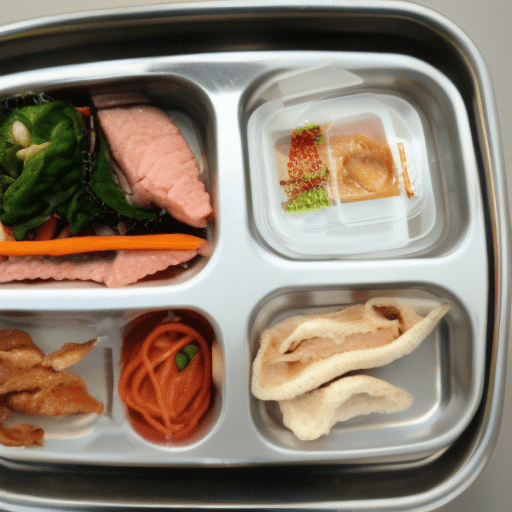
- Kimchi stew: This traditional South Korean stew is made with kimchi and a variety of other ingredients, such as pork, tofu, and vegetables.
- Bulgogi: This traditional South Korean dish is made with marinated beef and a variety of other ingredients, such as onions, garlic, and sesame oil.
- Bibimbap: This traditional South Korean dish is made with rice and a variety of other ingredients, such as vegetables, beef, and kimchi.
- Doenjang jjigae: This traditional South Korean stew is made with doenjang (soybean paste) and a variety of other ingredients, such as tofu, vegetables, and mushrooms.
- Japchae: This traditional South Korean dish is made with stir-fried noodles and a variety of other ingredients, such as vegetables, beef, and eggs.
- Bibimbap (mixed rice bowl)
- Jjajangmyeon (noodles in black bean sauce)
- Bulgogi (marinated beef)
- Samgyetang (ginseng chicken soup)
- Kimbap (seaweed rice rolls)
Checkout other popular lunchs of koreans to get a better idea on these dishes.
School Snacks
Schools also serve snacks throughout the day between classes and after school activities such as sports or club meetings. These snacks usually include fruits such as apples or oranges, yogurt, crackers, breads, and other prepared foods like dumplings or sandwiches. This ensures that students don’t go hungry during the day and helps them maintain their energy levels while studying or engaging in extracurricular activities.
Modern Trends in Korean School Lunch
Focus on health and nutrition: Another trend in modern Korean school lunch is an increased focus on health and nutrition. This includes a greater emphasis on using locally sourced and seasonal ingredients, as well as reducing the use of processed foods and additives. The government and school boards are also encouraging the inclusion of more vegetables and fruits in school lunches to promote a balanced diet.
Use of local, seasonal ingredients: In line with the focus on health and nutrition, there is a growing trend of using locally sourced and seasonal ingredients in Korean school lunch. This means that ingredients are fresh, natural, and often organic, which is believed to be healthier than using imported or processed foods. Additionally, using local and seasonal ingredients supports the local farming community and can also help to reduce the environmental impact of transportation.
In summary, modern Korean school lunch reflects the changing times and cultural influences. The trend of introducing Western-style foods, the focus on health and nutrition and the use of local, seasonal ingredients are all ways that school lunch in Korea is adapting and evolving to meet the needs of students and society.
Faq
Are school lunches free in Korea?
How long is school lunch break in Korea?
Do Korean schools have cafeteria?
Do Korean schools have breaks?
South Korean school lunches are known to be both healthy and delicious. These lunches provide students with a variety of traditional and modern dishes to choose from, as well as a variety of healthy eating choices. Additionally, these lunches are usually quite affordable and can range from 1,000 to 3,000 won (about $0.90 – $2.70 USD).Overall, South Korean school lunches are an excellent way to experience the unique culinary culture of South Korea. So, if you’re ever in South Korea and have the opportunity to try a school lunch, be sure to take advantage of it!

4 Comments
Pingback: Korean vs Japanese Food - Live Learn Venture
этот сайт https://vodkawin.com
Your point of view caught my eye and was very interesting. Thanks. I have a question for you.
ku bet– Nền tảng giải trí trực tuyến đa dạng và hấp dẫn.